
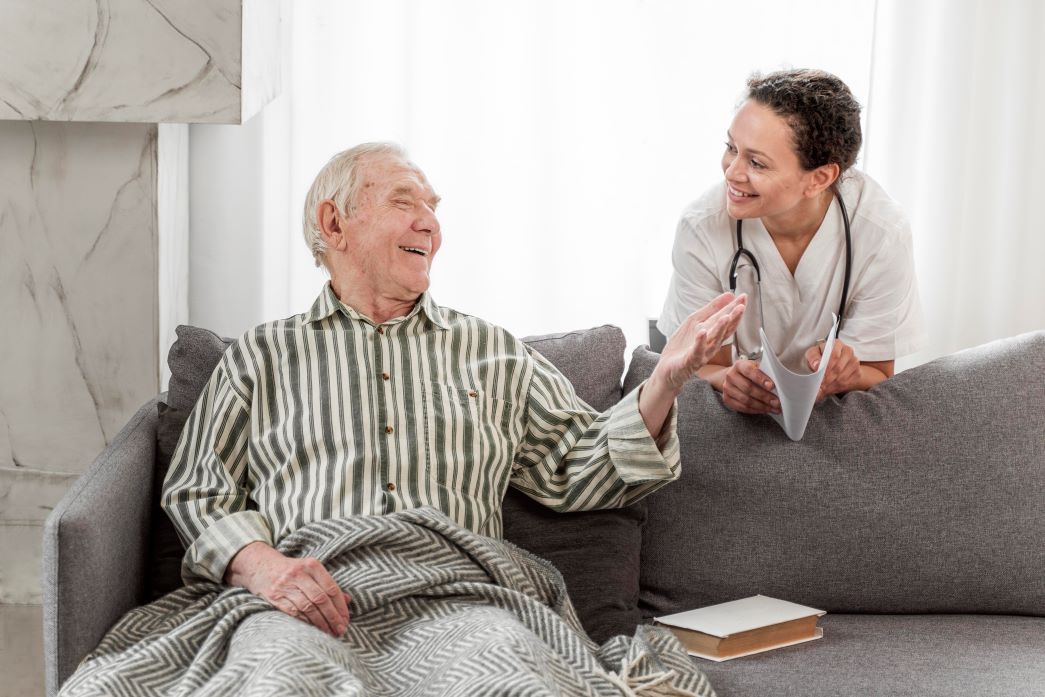
Let’s imagine something simple: growing old in the same home where you built your life. Sounds comforting, right? That’s exactly what elderly care at home is all about. It refers to professional or family-provided support services that allow seniors to live safely and independently in their own homes instead of moving into nursing facilities or assisted living centers.
This type of care covers a wide range of needs—from help with daily activities like bathing and cooking to more complex medical support such as medication management and physiotherapy. The beauty of home care lies in its flexibility. Whether someone needs just a few hours of assistance per week or full-time support, services can be tailored accordingly.
What makes this approach even more meaningful is its human side. Instead of adapting to a new environment, seniors stay surrounded by their memories, routines, and comfort zones. That sense of familiarity isn’t just emotional—it plays a critical role in mental well-being and stability, especially for those dealing with conditions like dementia or mobility challenges.
Why It’s Becoming More Popular in 2025
There’s a clear global shift happening. More families are choosing home-based elderly care, and the numbers back it up. According to research, about 77% of adults aged 50+ prefer to age at home rather than move into institutional care .
Why this shift? It’s a mix of emotional preference, cost considerations, and advancements in healthcare technology. Today, services that were once only available in hospitals can now be delivered at home. From remote monitoring devices to telehealth consultations, the home is becoming a fully equipped care environment.
Another factor is lifestyle. Families are busier than ever, yet they still want to ensure their loved ones receive the best care possible. Home care bridges that gap by offering professional support without uprooting the elderly from their familiar surroundings.
Why Elderly Care at Home Matters
Emotional and Psychological Benefits
Think about how you feel when you're in a familiar place versus a completely new one. For seniors, this difference is even more profound. Staying at home reduces anxiety, loneliness, and confusion—especially for individuals with cognitive decline.
Studies show that home care significantly improves psychological well-being and social interaction among the elderly . That’s not surprising when you consider the environment. Being close to family, neighbors, and even familiar objects creates a sense of security and belonging.
There’s also the emotional bond formed with caregivers. Unlike institutional settings where staff may rotate frequently, home care often involves consistent caregivers. This continuity helps build trust and companionship, turning care into a meaningful relationship rather than just a service.
Physical Health Improvements
Home isn’t just emotionally comforting—it’s physically beneficial too. Seniors receiving care at home often experience better recovery rates and fewer hospital visits. Why? Because care is personalized.
In a home setting, attention is focused entirely on one individual. Caregivers can closely monitor changes in health, adjust routines, and provide immediate assistance when needed. This level of attention reduces risks such as falls, medication errors, and untreated symptoms.
Additionally, being at home encourages mobility. Instead of being confined to a bed or room, seniors are more likely to move around, engage in daily activities, and maintain a healthier lifestyle.
Types of Elderly Home Care Services
Personal Care Services
Personal care is the backbone of elderly care at home. These services help seniors manage everyday activities that may become challenging with age.
This includes assistance with bathing, dressing, grooming, and toileting. Caregivers may also help with meal preparation, ensuring that seniors receive proper nutrition tailored to their dietary needs.
What makes personal care unique is its dignity-focused approach. Care is delivered respectfully, ensuring that seniors maintain their independence and self-esteem while receiving the support they need.
Medical and Nursing Care
For seniors with chronic conditions or recovery needs, medical care at home is a game-changer. Skilled nurses can provide services such as wound care, injections, medication management, and monitoring vital signs.
This type of care eliminates the need for frequent hospital visits, making it both convenient and less stressful. It also ensures continuity of care, as healthcare professionals can track progress over time within the same environment.
With advancements in healthcare, even complex treatments can now be safely administered at home, making it a viable alternative to hospital stays.
Companionship and Social Support
Loneliness is one of the biggest challenges seniors face. That’s where companionship services come in. Caregivers don’t just assist—they engage.
They might spend time chatting, playing games, or accompanying seniors on walks. These interactions may seem simple, but they have a profound impact on mental health and overall happiness.
In many cases, companionship becomes just as important as medical care. It’s about creating moments of joy and connection in everyday life.
Benefits of Elderly Care at Home
Independence and Comfort
One of the biggest advantages of home care is the ability to maintain independence. Seniors can follow their routines, make their own choices, and live life on their terms.
This sense of control is incredibly empowering. It boosts confidence and helps seniors feel valued rather than dependent. And let’s be honest—who wouldn’t prefer their own bed over a hospital one?
Cost-Effectiveness Compared to Institutions
Let’s talk numbers. Home care is often more affordable than institutional care, especially for those who need only part-time assistance.
Research shows that increasing spending on home care can reduce overall long-term care costs . That’s because it avoids the high overhead expenses associated with nursing homes, such as accommodation and round-the-clock staffing.
Here’s a simple comparison:
Care Type Average Cost Level Flexibility Personalization
Home Care Moderate High Very High
Nursing Home High Low Moderate
Assisted Living Medium-High Medium Moderate
Challenges of Home Care
Caregiver Shortage
Despite its benefits, home care isn’t without challenges. One major issue is the shortage of skilled caregivers. Demand is growing rapidly, but the workforce isn’t keeping up.
Recent reports highlight increasing pressure on the home care sector due to rising demand and limited staffing. This can lead to delays in services or increased costs for families.
Rising Costs
Another concern is affordability. The cost of in-home care is rising due to inflation and workforce shortages. In some regions, prices have increased significantly, making it harder for families to sustain long-term care.
Still, compared to institutional care, home care often remains the more flexible and cost-efficient option.
How to Choose the Right Home Care Provider
Key Factors to Consider
Choosing the right provider can feel overwhelming, but it doesn’t have to be. Start by assessing your loved one’s needs. Do they require medical care, personal assistance, or just companionship?
Look for providers with trained staff, good reviews, and transparent pricing. Certification and experience are crucial, especially for medical care services.
Questions to Ask Before Hiring
Before making a decision, ask questions like:
What services are included?
Are caregivers trained and certified?
How are emergencies handled?
Is care customizable?
These questions help ensure you’re making an informed choice.
Cost of Elderly Care at Home
Factors Affecting Pricing
The cost of home care depends on several factors, including the level of care required, duration, and location. Medical care typically costs more than basic assistance.
Frequency also matters. Full-time care will naturally cost more than occasional visits.
Cost Comparison Table
Service Type Estimated Cost Level
Basic Companion Care Low
Personal Care Medium
Skilled Nursing Care High
Role of Family in Home Care
Emotional Support
Family plays a central role in home care. Emotional support from loved ones can’t be replaced by any professional service.
Regular visits, conversations, and involvement in care decisions make a huge difference in a senior’s well-being.
Shared Responsibilities
Caregiving doesn’t have to fall on one person. Sharing responsibilities among family members can reduce stress and ensure better care.
Technology in Elderly Home Care
Smart Monitoring Devices
Technology is transforming home care. Devices like fall detectors, health monitors, and emergency alert systems provide an extra layer of safety.
Telehealth Services
Telehealth allows seniors to consult doctors without leaving home. This saves time, reduces stress, and ensures timely medical attention.
Future of Elderly Care at Home
Trends and Innovations
The future looks promising. From AI-powered health monitoring to robotic assistants, innovations are making home care more efficient and accessible.
Growing Demand Worldwide
With aging populations worldwide, the demand for home care is expected to rise significantly. Families are increasingly recognizing its value as a sustainable and compassionate care solution.
Conclusion
Elderly care at home is more than just a service—it’s a philosophy of aging with dignity, comfort, and independence. It combines professional support with emotional connection, creating a care model that truly puts the individual first. While challenges like cost and caregiver shortages exist, the benefits far outweigh the drawbacks. As technology advances and awareness grows, home care is set to become the preferred choice for millions of families worldwide.
FAQs
- What is the main benefit of elderly care at home?
The biggest benefit is allowing seniors to remain in a familiar environment while receiving personalized care tailored to their needs.
- Is home care cheaper than a nursing home?
In many cases, yes—especially for part-time care. Home care avoids the high overhead costs of institutional living.
- Who provides elderly home care services?
Services can be provided by trained caregivers, nurses, or even family members depending on the level of care required.
- Can medical treatments be done at home?
Yes, many medical services such as injections, wound care, and monitoring can now be safely provided at home.
- How do I know if my loved one needs home care?
If they struggle with daily activities, medication management, or feel isolated, it may be time to consider home care.