
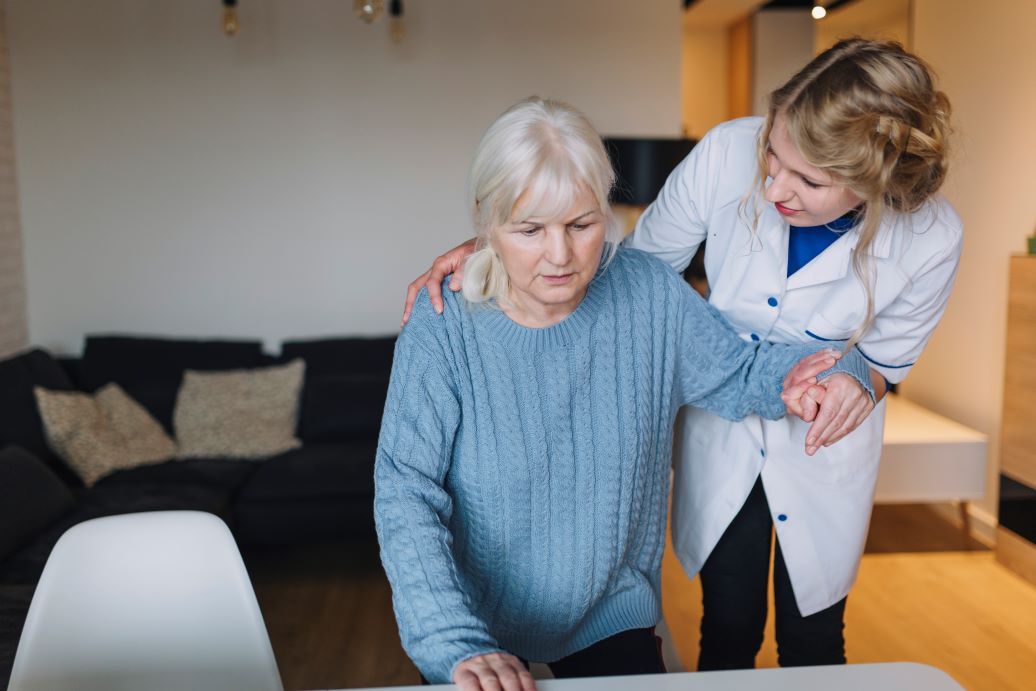
Let’s break it down in a real, practical way. Dementia care specialists are trained professionals who focus specifically on supporting individuals living with dementia—conditions that affect memory, thinking, and behavior. These aren’t just general caregivers; they’re people who understand the unique, often unpredictable nature of cognitive decline.
Think of them like guides in unfamiliar territory. Dementia changes how a person experiences the world—simple tasks become confusing, familiar faces may feel distant, and emotions can swing unexpectedly. A specialist steps in to stabilize that experience, offering both structure and compassion.
Their role goes beyond physical assistance. They help manage daily routines, reduce anxiety, prevent wandering, and respond to behavioral changes. They’re trained to interpret what a person might be feeling—even when that person can’t clearly express it. That’s a powerful skill, and it makes a real difference in quality of life.
Difference from General Caregivers
Here’s where things get interesting. Not every caregiver is equipped to handle dementia care. General caregivers might help with basic needs like bathing or meal preparation, but dementia specialists go deeper.
They’re trained in memory care techniques, behavioral management, and communication strategies tailored specifically for cognitive decline. For example, instead of correcting a confused patient—which can cause distress—they use redirection techniques to gently guide them back to calmness.
It’s the difference between following instructions and truly understanding the person behind the condition.
Understanding Dementia and Its Impact
What is Dementia?
Dementia isn’t a single disease—it’s an umbrella term for conditions that affect memory, thinking, and daily functioning. According to the World Health Organization, dementia interferes significantly with a person’s ability to perform everyday activities and is a major cause of dependency among older adults .
It’s not just about forgetting things. It can affect language, problem-solving, mood, and even personality. Imagine your brain as a library—dementia slowly scrambles the catalog system. The books are still there, but finding them becomes harder and harder.
Global Statistics and Trends
The scale of dementia is staggering. Around 57 million people worldwide are living with dementia, with nearly 10 million new cases every year . And those numbers are rising fast.
Recent 2026 data from England shows over 510,000 diagnosed dementia patients, with only about 66% of expected cases formally diagnosed . That gap highlights a critical issue—many people are living with dementia without proper support.
Even more telling? About 68% of diagnosed patients received a care plan within a year . That’s where dementia care specialists come in—they turn diagnosis into actionable, compassionate care.
Types of Dementia Care Specialists
Home Care Specialists
These professionals provide care directly in the patient’s home. This is often the most preferred option because it allows individuals to stay in a familiar environment.
Home-based dementia specialists focus on daily routines, safety, and emotional comfort. They help maintain a sense of normalcy, which is incredibly important for someone experiencing memory loss.
Clinical and Nursing Specialists
These are medically trained professionals—nurses, geriatricians, and neurologists—who handle more complex health needs. They monitor medications, manage symptoms, and coordinate with healthcare systems.
Their role becomes especially critical in moderate to advanced stages of dementia.
Behavioral and Cognitive Therapists
These specialists focus on mental and emotional well-being. They use techniques like cognitive stimulation therapy, music therapy, and behavioral interventions to improve mood and slow cognitive decline.
It’s not just about care—it’s about enhancing life.
Services Provided by Dementia Care Specialists
Personal Care Assistance
Daily tasks can become overwhelming for someone with dementia. Specialists help with bathing, dressing, eating, and mobility—but they do it in a way that preserves dignity.
They understand that these moments can be sensitive, so they approach them with patience and respect.
Memory Support and Cognitive Therapy
Memory care is at the heart of what they do. This includes structured routines, memory exercises, and environmental cues that help patients stay oriented.
It’s like creating a map in a world that feels increasingly confusing.
Emotional and Behavioral Support
Dementia often brings anxiety, aggression, or depression. Specialists are trained to handle these changes calmly and effectively.
Instead of reacting, they respond with empathy—redirecting behavior and creating a sense of safety.
Benefits of Hiring Dementia Care Specialists
Improved Quality of Life
This is the biggest win. With the right support, individuals with dementia can live more comfortably, safely, and happily.
They’re not just surviving—they’re living.
Safety and Monitoring
From preventing falls to managing medications, specialists ensure a safe environment. This reduces hospital visits and complications.
Family Support
Let’s be real—caring for someone with dementia is emotionally and physically exhausting. Specialists provide relief, guidance, and peace of mind for families.
When Should You Hire a Dementia Specialist?
Early Signs
You don’t have to wait for things to get severe. Early signs include forgetfulness, confusion, and difficulty with daily tasks.
Early intervention can slow progression and improve quality of life.
Advanced Stages
In later stages, specialized care becomes essential. Patients may require constant supervision, medical support, and behavioral management.
Cost of Dementia Care Specialists
Pricing Models
Costs vary depending on the level of care. Options include hourly visits, daily care, or full-time support.
Factors Affecting Cost
Severity of dementia
Type of care (medical vs non-medical)
Location
Duration of care
Home Care vs Facility-Based Dementia Care
Care Type Best For Flexibility Environment
Home Care Early to moderate stages High Familiar
Care Facility Advanced stages Low Structured
Home care offers comfort, while facilities provide intensive supervision.
Technology in Dementia Care
Technology is changing everything. Wearable devices, smart home systems, and remote monitoring tools are making care more efficient and proactive.
These tools help track movement, detect emergencies, and even support memory through reminders.
Choosing the Right Specialist
Look for:
Experience in dementia care
Certifications and training
Strong communication skills
Positive reviews and references
Trust matters here—this is deeply personal care.
Challenges in Dementia Care
Dementia care isn’t easy. Challenges include emotional strain, high costs, and caregiver burnout. There’s also a global shortage of trained specialists.
Addressing these issues is critical as demand continues to grow.
Future of Dementia Care Specialists
The future is hopeful. Advances in early diagnosis, treatment, and technology are transforming dementia care. New therapies and tools are making it possible to manage symptoms more effectively and improve quality of life.
We’re moving toward a world where dementia care is not just reactive—but proactive and personalized.
Conclusion
Dementia care specialists are more than caregivers—they’re lifelines. They bring structure to confusion, calm to chaos, and dignity to a challenging journey. As dementia continues to rise globally, their role will only become more essential.
Choosing the right specialist can make all the difference—not just for the patient, but for the entire family.
FAQs
- What does a dementia care specialist do?
They provide specialized support for individuals with dementia, including personal care, memory support, and behavioral management.
- Is home care better for dementia patients?
For many, yes. It offers comfort and familiarity, especially in early stages.
- When should I hire a dementia care specialist?
As soon as symptoms begin affecting daily life.
- How much does dementia care cost?
Costs vary widely depending on care level and location.
- Can dementia care improve quality of life?
Absolutely. Proper care significantly enhances safety, comfort, and emotional well-being.